
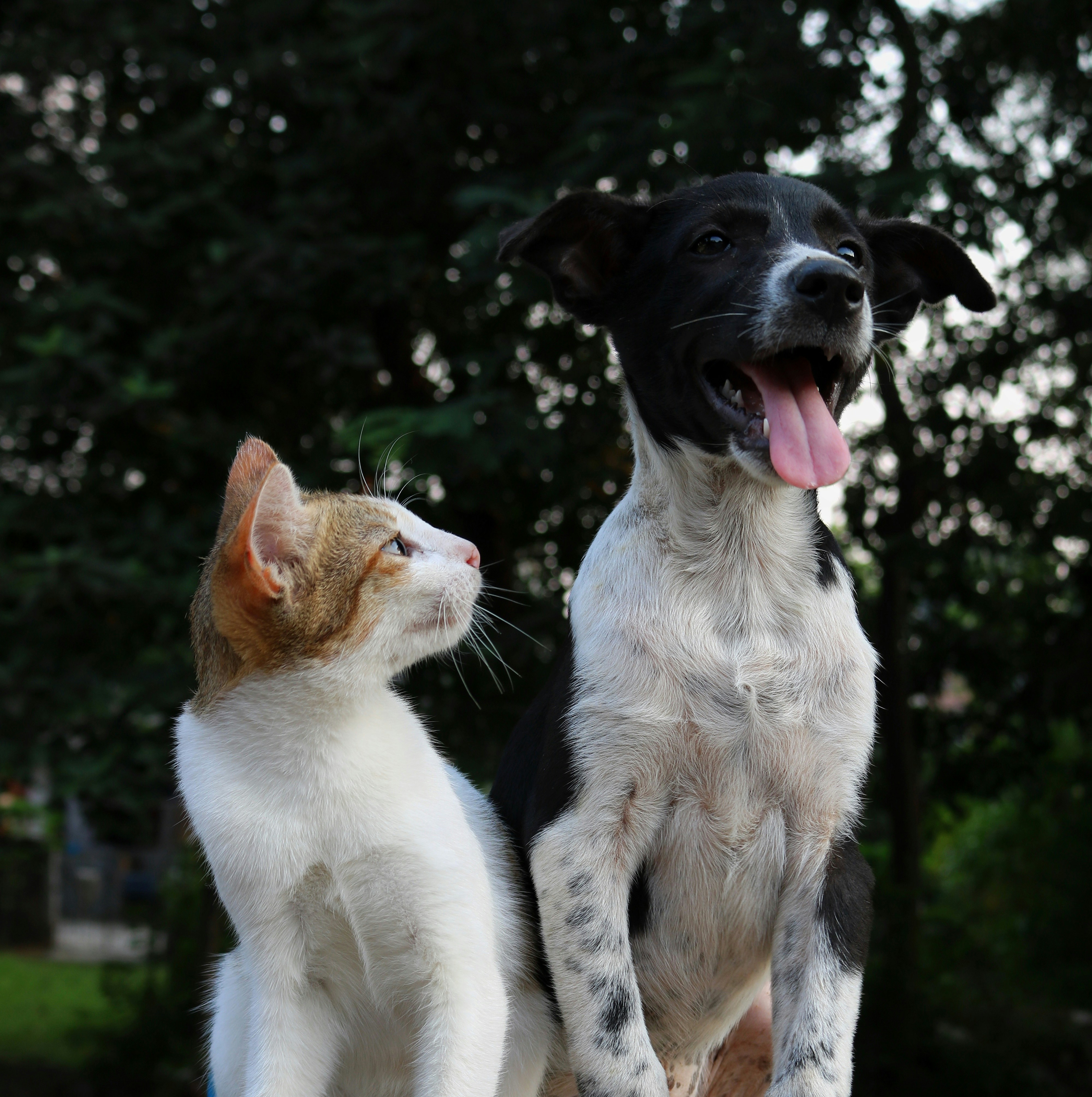
Bringing a new furry friend into your home is an exciting experience, whether it's a playful puppy or an adorable kitten. While both puppies and kittens share the common need for love, care, and attention, their specific needs can differ significantly. Understanding these differences and similarities is crucial for providing the best care and ensuring a healthy, happy pet. This article explores the key aspects of puppy and kitten care, highlighting what's different and what's the same.
Nutrition Needs
One of the most important aspects of caring for puppies and kittens is their nutrition. Both puppies and kittens require diets that support rapid growth and development, but their nutritional needs differ due to species-specific requirements.
Puppies
Puppies need a diet rich in protein and fat to fuel their fast growth and high energy levels. Puppy food is specially formulated to provide the right balance of nutrients, including calcium and phosphorus, which are essential for bone development. Puppies typically require multiple small meals throughout the day, gradually transitioning to fewer meals as they grow.
Kittens
Like puppies, kittens need a high-protein diet, but they also require taurine, an essential amino acid that cats cannot produce on their own. Taurine is vital for heart health, vision, and reproduction. Kitten food is designed to meet these specific needs. Kittens also eat several small meals daily, reflecting their small stomachs and high metabolism.
Health Care and Vaccinations
Both puppies and kittens need regular veterinary care, including vaccinations, deworming, and health check-ups.
Puppies
Common vaccinations for puppies include those against parvovirus, distemper, adenovirus, and rabies. Puppies are also susceptible to parasites like worms and fleas, so preventive treatments are necessary. Spaying or neutering is recommended around six months of age to prevent unwanted litters and reduce certain health risks.
Kittens
Kittens require vaccinations against feline viral rhinotracheitis, calicivirus, panleukopenia, and rabies. They are also at risk for feline leukemia virus (FeLV) and feline immunodeficiency virus (FIV), so testing and preventive measures are important. Like puppies, spaying or neutering is advised around six months.
Training and Socialization
Training and socialization are critical for both puppies and kittens but differ in approach and focus.
Puppies
Early socialization helps puppies develop into well-adjusted adult dogs. This includes exposure to different people, environments, and other animals. Obedience training is essential to teach commands, prevent behavioral problems, and ensure safety. Housebreaking is a key part of puppy training, requiring patience and consistency.
Kittens
While kittens benefit from socialization to become comfortable with humans and other pets, they are less commonly trained for obedience. Instead, litter box training is a primary focus, which is usually straightforward as kittens have a natural instinct to bury their waste. Encouraging gentle play and handling helps kittens develop good behavior.
Exercise and Play
Both puppies and kittens are playful and energetic, but their exercise needs vary.
Puppies
Puppies require regular, structured exercise to build muscles, expend energy, and prevent destructive behaviors. Activities like walks, fetch, and interactive play are beneficial. Exercise routines should be appropriate for the puppy s breed, age, and health.
Kittens
Kittens are naturally playful and curious, engaging in short bursts of activity. They benefit from interactive toys that stimulate hunting instincts, such as feather wands and laser pointers. While less structured than puppy exercise, playtime is essential for mental and physical development.
Grooming
Grooming needs depend on the breed and species.
Puppies
Depending on the breed, puppies may require regular baths, brushing, nail trimming, and ear cleaning. Long-haired breeds need more frequent grooming to prevent mats and tangles.
Kittens
Kittens generally groom themselves, but long-haired breeds may need brushing to prevent hairballs and mats. Nail trimming and dental care are also important.
Similarities in Care
Despite their differences, puppies and kittens share several care requirements:
- Safe Environment: Both need a secure, comfortable space free from hazards.
- Love and Attention: Social interaction and affection are vital for emotional well-being.
- Mental Stimulation: Toys, play, and new experiences help prevent boredom and behavioral issues.
- Gradual Introduction: Both benefit from slow, positive exposure to new people, pets, and environments.
Conclusion
Caring for a puppy or kitten involves understanding their unique needs while providing a foundation of love, safety, and attention. Puppies require more structured training and exercise, while kittens need specific nutritional components like taurine and straightforward litter training. Both thrive with proper veterinary care, socialization, and mental stimulation. By recognizing these differences and similarities, pet owners can ensure their new companions grow into healthy, happy adults.
Sources
- American Veterinary Medical Association (AVMA)
- American Society for the Prevention of Cruelty to Animals (ASPCA)
- PetMD
- Veterinary Partner
- Scientific literature on pet nutrition and behavior
Join us on Facebook for daily pet tips, fun facts, and brand updates.