
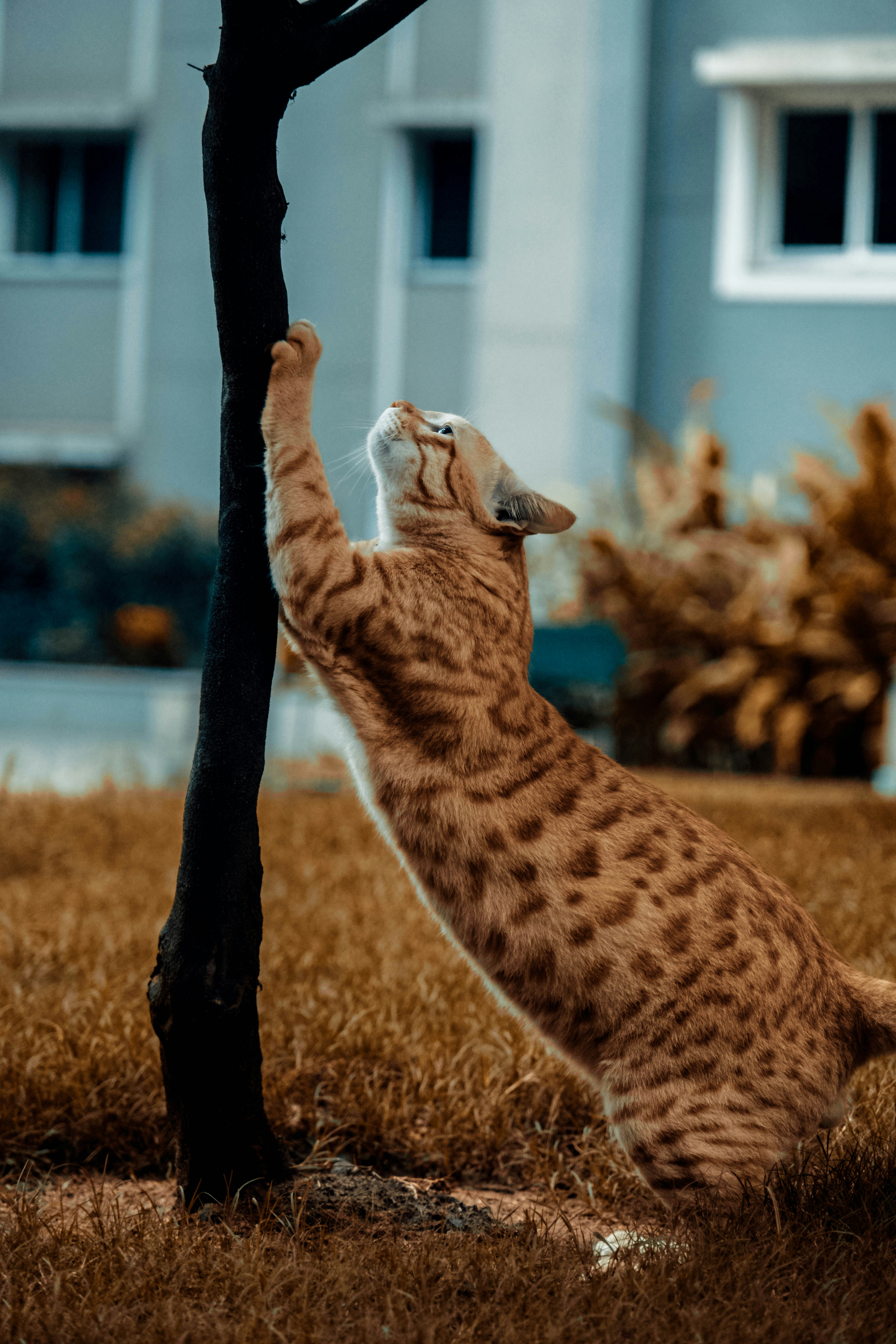
Biting, scratching, and nipping are common behaviors in pets, especially in dogs and cats. Understanding when these behaviors are normal and when they become concerning is crucial for pet owners to ensure the safety and well-being of both their animals and themselves. This article explores the differences between typical and problematic biting, scratching, and nipping, the reasons behind these behaviors, and what actions to take.
What Is Normal Behavior?
In puppies and kittens, biting, scratching, and nipping are natural parts of play and exploration. Young animals use their mouths and claws to interact with their environment and their littermates. This play behavior helps them learn social boundaries and develop coordination. Typically, these bites and scratches are gentle and do not break the skin. For example, a puppy might nip softly during play, and a kitten might use its claws lightly while wrestling with siblings.
In adult animals, occasional gentle nipping or scratching can be a form of social interaction or grooming. These behaviors are usually accompanied by relaxed body language, such as wagging tails in dogs or purring in cats, indicating that the animal is comfortable and not aggressive.
When Is Biting, Scratching, or Nipping Concerning?
Certain signs indicate that these behaviors have crossed from normal to concerning:
- Injury or Skin Damage: Biting or scratching that breaks the skin or causes injury is a red flag.
- Aggressive Intent: Biting or scratching with the intent to harm, often accompanied by growling, hissing, or a stiff body posture.
- Sudden Behavioral Changes: An animal that suddenly becomes aggressive without an obvious trigger.
- Fear or Anxiety-Driven Behavior: Biting or scratching as a response to fear, pain, or stress.
- Persistent or Escalating Behavior: When the behavior continues or worsens despite training or redirection.
- Unpredictability: Biting or scratching that is unpredictable or uncontrollable, posing a risk to people or other animals.
Causes of Concerning Behavior
Several factors can contribute to problematic biting, scratching, or nipping:
- Fear or Anxiety: Animals may bite or scratch when they feel threatened or scared, such as during loud noises or unfamiliar situations.
- Pain or Medical Issues: Injuries, illnesses, or skin conditions can cause discomfort, leading to defensive biting or scratching.
- Lack of Socialization: Animals not properly socialized may not understand appropriate behavior around people or other animals.
- Territorial or Protective Instincts: Some animals bite or scratch to defend their territory or family.
- Frustration or Overstimulation: Excessive excitement or frustration can trigger these behaviors.
- Redirected Aggression: An animal unable to reach the source of its agitation may bite a nearby person or animal instead.
What Can Pet Owners Do?
For normal play behaviors, it's important to provide appropriate toys and teach bite inhibition. Avoid encouraging rough play that involves biting or scratching. Positive reinforcement training can help discourage unwanted behaviors and promote good manners.
Monitoring your pet's body language is key to preventing escalation. Signs of stress or discomfort, such as growling, hissing, flattened ears, or a stiff posture, should be taken seriously.
If aggressive behavior appears suddenly or is severe, consult a veterinarian to rule out medical causes. Persistent or dangerous behaviors warrant the help of a certified animal behaviorist or professional trainer.
Never use harsh punishment for biting or scratching, as this can increase fear and aggression. Instead, focus on gentle, consistent training and creating a safe environment for your pet.
Additional Tips for Managing Biting, Scratching, and Nipping
- Early Socialization: Expose puppies and kittens to various people, animals, and environments early to reduce fear-based aggression.
- Exercise and Mental Stimulation: Regular physical activity and mental challenges help reduce frustration and excess energy.
- Use Deterrents: Bitter sprays or other safe deterrents can discourage biting or scratching on inappropriate objects.
- Educate Family Members: Teach children and other family members how to interact safely and respectfully with pets.
Conclusion
Biting, scratching, and nipping are natural behaviors in pets, especially during their early development stages. However, when these behaviors cause harm, are aggressive, or unpredictable, they become concerning and require attention. Understanding the reasons behind these behaviors and responding appropriately can help maintain a safe and happy relationship between pets and their owners.
If you notice troubling behaviors, seek professional advice promptly to address the issue effectively and ensure the well-being of your pet and household.
Join us on Facebook for daily pet tips, fun facts, and brand updates.